Advancing Global Sustainability Through Engineering Biological Science and Legal Action
The global environmental landscape is currently being reshaped by a convergence of grassroots innovation, biological research, and legal advocacy. As traditional methods of conservation and waste management face unprecedented challenges, a new generation of thinkers is emerging to provide solutions that are both practical and systemic. This movement is characterized by a shift toward circular economies and a refusal to accept ecological degradation as an inevitable consequence of human conflict or industrial progress. By examining recent breakthroughs in material science and ecosystem restoration, it becomes clear that the path to sustainability is being paved by those who view crisis as a catalyst for creative problem-solving.
At the forefront of this shift are innovators like Tala and Farah Mousa, whose recent recognition as the first Palestinian Middle East regional winners of the 2026 Earth Prize highlights a critical advancement in sustainable engineering. Their work addresses one of the most visible and tragic consequences of modern conflict: the accumulation of vast amounts of war rubble. In many regions, the destruction of infrastructure leaves behind millions of tons of concrete and stone debris that are often discarded in landfills or left to contaminate the landscape. The Mousa sisters have developed a methodology to process this debris, transforming what was once a symbol of destruction into a viable, eco-friendly building material. This process not only mitigates the environmental burden of waste but also reduces the carbon footprint associated with producing new construction materials, such as cement and mined aggregates.
The technical implications of recycling rubble are significant. Traditional construction is one of the world’s most resource-intensive industries, contributing heavily to global CO2 emissions. By utilizing existing debris, these young innovators are championing the principles of the circular economy, where resources are kept in use for as long as possible. Their success serves as a powerful case study for other regions recovering from disaster or conflict, demonstrating that the materials needed for reconstruction may already exist beneath the feet of those ready to build back better. This approach provides a blueprint for resilience, proving that innovation can thrive even under the most restrictive and challenging circumstances.
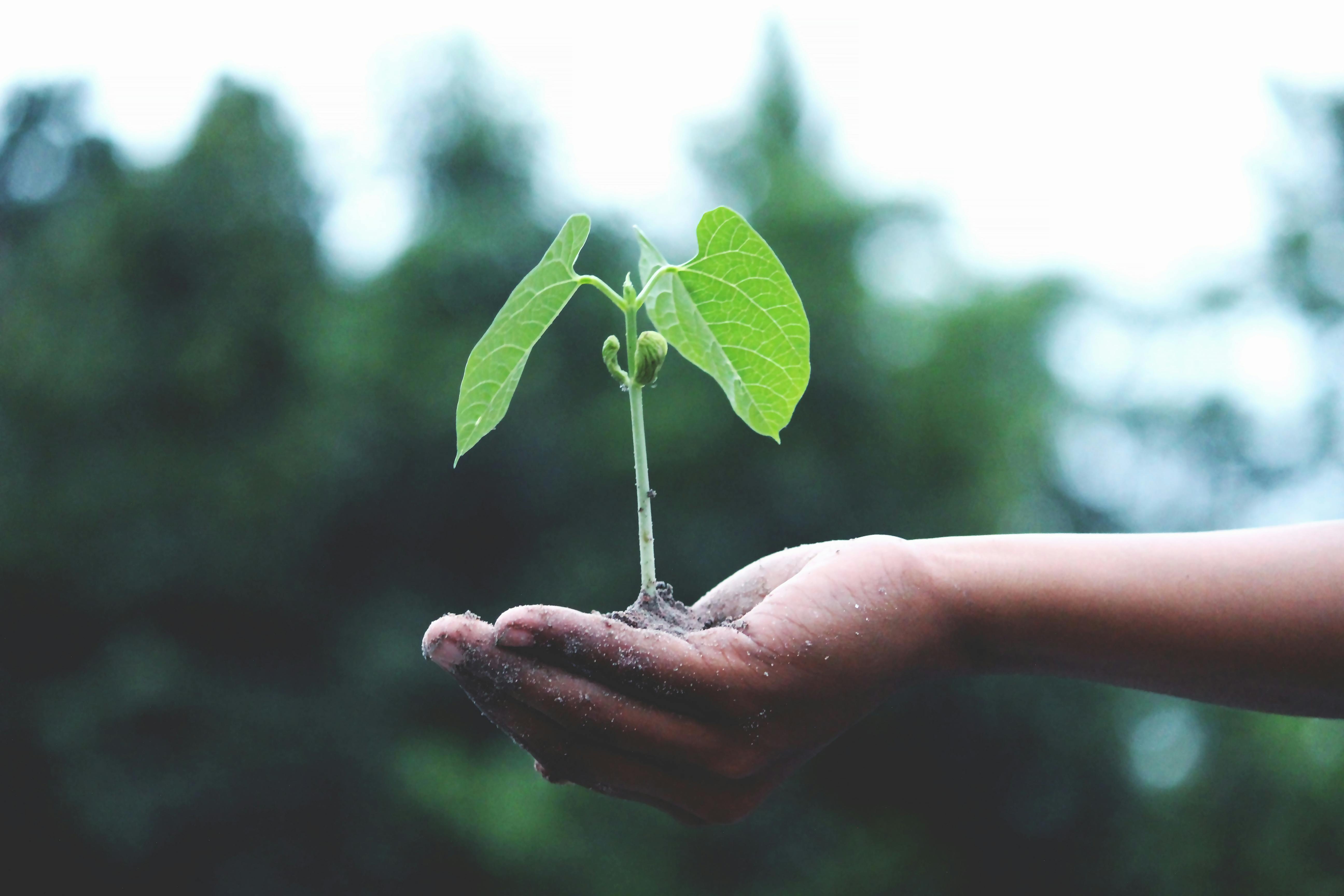
While human innovation tackles the built environment, the natural world offers its own sophisticated mechanisms for recovery. In the wake of increasingly frequent and severe wildfires, researchers are turning to the kingdom of fungi to facilitate ecosystem restoration. Wildfires do more than just destroy vegetation; they often leave the soil scorched, hydrophobic, and depleted of the microbial life necessary for regeneration. However, certain species of fungi—often referred to as pyrophilous or "fire-loving" fungi—possess the unique ability to thrive in these harsh conditions. These organisms play a vital role in stabilizing the soil and breaking down complex organic matter, essentially jumpstarting the biological recovery process.
Mycoremediation, the practice of using fungi to decontaminate environments, is gaining traction as a professional tool for post-fire management. Mycelium networks act as a natural glue, holding the fragile ash and topsoil together to prevent erosion and toxic runoff into local waterways. Furthermore, these fungi can break down heavy metals and other pollutants that are often released during the burning of modern structures and treated lumber. By integrating fungal inoculation into land management strategies, conservationists are finding that they can significantly accelerate the return of native plant species. This symbiotic relationship between biological research and environmental management represents a sophisticated evolution in our understanding of how to support nature’s inherent resilience.
The push for environmental integrity is not limited to laboratories and construction sites; it has moved into the highest levels of the judicial system. Around the world, and specifically within federal jurisdictions, young people are increasingly utilizing litigation as a tool to demand more aggressive climate action. These lawsuits are often grounded in the "public trust" doctrine, which asserts that the government has a legal obligation to protect vital natural resources for the benefit of current and future generations. By suing federal entities, youth activists are challenging the status quo and highlighting the disconnect between current legislative policies and the long-term viability of the planet’s climate.
These legal challenges focus on the argument that government inaction or the continued subsidization of fossil fuels violates constitutional rights to life, liberty, and property. This professionalization of climate activism signals a shift from purely protest-based movements to high-stakes legal strategies aimed at enforcing systemic accountability. Legal experts note that while these cases face significant procedural hurdles, they are successful in shifting the public discourse and forcing governments to defend their environmental records in a court of law. The involvement of the youth demographic is particularly poignant, as it underscores the concept of intergenerational equity—the idea that the decisions made today should not unfairly burden the generations of tomorrow.
The intersection of these three areas—material innovation, biological restoration, and legal advocacy—presents a comprehensive picture of modern environmentalism. Whether it is transforming the physical remnants of war into sustainable infrastructure, harnessing the restorative power of fungi, or leveraging the law to ensure a livable future, the common thread is a commitment to proactive stewardship. These efforts demonstrate that the solutions to our most pressing environmental crises are multifaceted, requiring a blend of scientific ingenuity, ecological wisdom, and political courage. As these young leaders and researchers continue to push the boundaries of what is possible, they provide a necessary roadmap for a more resilient and sustainable global community.




0 reacties:
Post a Comment