President Trump Set To Deliver National Address On Election Infrastructure And Integrity
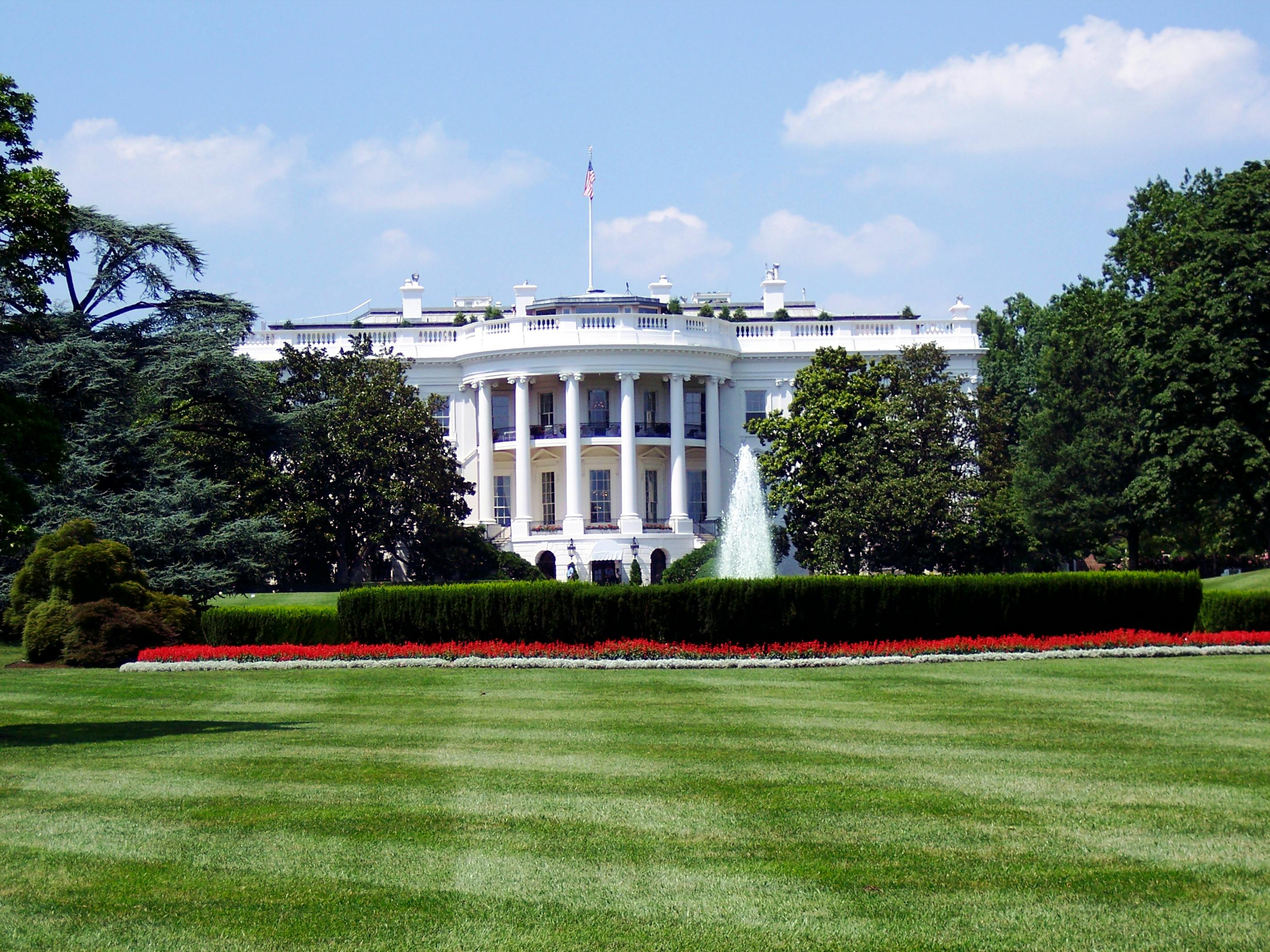
In a move that underscores the ongoing focus on the administrative frameworks of American democracy, President Donald Trump has announced a scheduled national address for Thursday evening. This forthcoming presentation is expected to center on the critical infrastructure of the United States electoral system, with a specific emphasis on the mechanics of voting and the technological reliability of ballot-processing machines. By signaling his intent to revisit these themes, the President is positioning the integrity of the ballot box at the forefront of the national discourse, continuing a narrative that has remained a cornerstone of his executive communications and political platform.
The timing of this address is particularly noteworthy, following the President's recent appearance at the Pennsylvania Defense and Innovation Summit. By choosing a high-profile platform to discuss election administration, the administration appears to be pivoting toward a broader discussion on national security as it pertains to domestic infrastructure. The President’s focus on voting machines suggests a renewed scrutiny of the vendor-managed systems that facilitate the democratic process. This focus often highlights concerns regarding the transparency of proprietary software, the potential for digital vulnerabilities, and the overarching necessity for verifiable auditing processes that can withstand public and legislative scrutiny.
Central to the expected remarks is the historical context of previous election cycles, most notably the 2020 presidential contest. The President has consistently maintained that the transition of power and the counting of ballots were subject to irregularities that warrant continued investigation. While various judicial and administrative bodies have previously reviewed these claims, the President’s insistence on addressing them in a formal national setting indicates a belief that the public requires a more detailed explanation of his perspective. This approach serves not only to address past events but also to shape the policy debates surrounding future electoral cycles, advocating for more stringent oversight and perhaps a fundamental shift in how votes are cast and tabulated across the various states.
Furthermore, the scheduled speech is likely to touch upon the legislative efforts currently underway in several state capitals to reform election laws. These reforms often involve the implementation of stricter voter identification requirements, the limitation of mail-in balloting, and the enhancement of the role of partisan poll watchers. By elevating these topics to a national address, the President is effectively using the "bully pulpit" to endorse a specific set of electoral philosophies. This narrative suggests that the current technological status quo is insufficient to guarantee the level of certainty the American public expects from its democratic institutions, thereby necessitating a return to more traditional or more heavily audited methods of voting.
From a policy standpoint, the discussion of voting machines is not merely a political grievance but a complex technical debate. Experts in cybersecurity and election administration have long debated the merits of hand-marked paper ballots versus direct-recording electronic systems. By highlighting these technicalities, the President taps into a broader skepticism regarding the intersection of big tech and government operations. The professional tone of the upcoming address is expected to frame these issues through the lens of protecting the "sanctity of the vote," a phrase frequently utilized by the administration to unify its base and challenge the prevailing consensus of election officials who have defended the current systems as the most secure in history.
The reaction to this announcement has been divided along predictable partisan lines, yet it also highlights a growing demand among a segment of the electorate for increased transparency. Proponents of the President’s view argue that any system capable of determining the leadership of the nation must be beyond reproach and completely transparent to the citizens it serves. Conversely, critics argue that persistent focus on these issues without presenting new, verified evidence serves to undermine public confidence in democratic institutions. Regardless of the stance, the President’s decision to dedicate a prime-time address to this topic ensures that the mechanics of voting will remain a primary point of contention in the lead-up to subsequent elections.
As the nation prepares for the Thursday night address, the legal and logistical implications of the President’s rhetoric remain a focal point for political analysts. The executive branch’s influence over state-run elections is limited by the Constitution, which largely delegates the "times, places, and manner" of holding elections to the states. However, the federal government maintains a significant role through the Department of Justice and various cybersecurity agencies. How the President intends to reconcile his calls for reform with the existing federalist structure will be a key element for observers to monitor. The address will likely serve as a foundational document for the administration’s future challenges to electoral norms and its advocacy for a more centralized or strictly controlled voting environment.
Ultimately, the upcoming address represents more than just a review of historical grievances; it is a strategic communication intended to define the parameters of electoral integrity moving forward. By focusing on the hardware and software of democracy, the President is engaging in a high-stakes dialogue about the nature of trust in a digital age. Whether the address will provide new insights or simply reinforce established positions, it marks a significant moment in the ongoing evolution of American political discourse, ensuring that the legacy of recent elections continues to influence the governance and the spirit of the nation’s democratic processes.




0 reacties:
Post a Comment