Trump Declassifies Intelligence Reports Detailing Alleged Chinese Election Interference Efforts
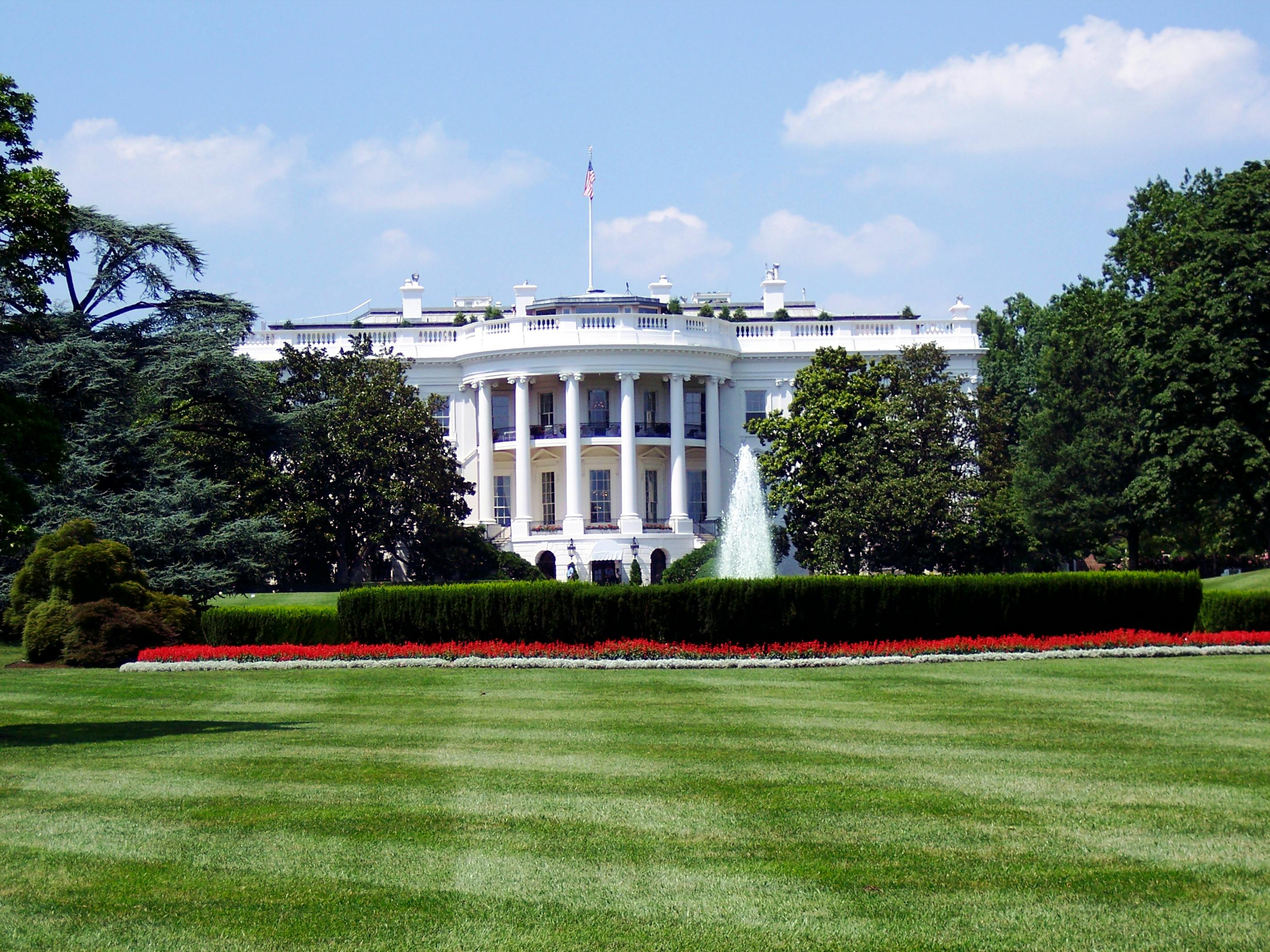
In a significant primetime address delivered from the East Room of the White House, President Donald Trump announced the formal declassification of intelligence reports concerning alleged foreign interference in the American electoral system. This move, centered on the activities of the People’s Republic of China, represents a major escalation in the administration’s ongoing focus on national security and democratic integrity. During the address, the President asserted that the newly released documents provide substantial evidence of Beijing’s attempts to influence domestic political processes, a claim that has reignited a long-standing debate within the halls of Congress and the intelligence community.
The President’s decision to declassify this sensitive information follows months of internal deliberations regarding the balance between national transparency and the protection of intelligence sources and methods. In his speech, the President highlighted specific instances of digital probing and disinformation campaigns which he categorized as direct threats to the sovereignty of the United States. By bringing these issues to the forefront of the national conversation, the administration aims to bolster public awareness and encourage more stringent safeguards against external cyber threats as the country moves toward future electoral cycles.
The timing and nature of this announcement have drawn immediate comparisons to previous assessments provided by the United States intelligence community. Historically, various agencies, including the Office of the Director of National Intelligence, have analyzed foreign influence operations with varying degrees of certainty. In previous cycles, most notably the 2020 general election, official assessments concluded that while foreign actors engaged in influence efforts, there was no credible evidence that any foreign power succeeded in altering the technical aspects of the vote count or compromising the final results. The President’s current claims, however, suggest a different interpretation of emerging data, focusing on what he describes as more sophisticated and pervasive efforts by Chinese entities to shape American public opinion and political outcomes.
The geopolitical ramifications of this declassification are expected to be profound. Relations between Washington and Beijing have already been strained by a multitude of issues, including trade disputes, maritime security in the South China Sea, and technological competition. By publicly accusing China of direct interference in the American democratic process, the administration is likely to see a further hardening of diplomatic lines. Analysts suggest that this could lead to reciprocal actions from Beijing, further complicating bilateral cooperation on global issues such as climate change, economic stability, and international security protocols. The Chinese Ministry of Foreign Affairs has historically denied such allegations, often characterizing them as politically motivated attempts to shift domestic focus away from internal American challenges.
Within the United States, the President’s address has sparked a diverse range of reactions from lawmakers and security experts. Supporters of the President’s move argue that transparency is the best defense against foreign meddling, asserting that the American public has a right to know the full extent of the threats facing the nation. They contend that by declassifying this information, the government can better coordinate with state and local election officials to harden infrastructure and educate voters on how to identify foreign-sponsored disinformation. These advocates believe that a proactive stance is necessary to deter future attempts at interference by demonstrating that such actions will be identified and exposed.
Conversely, critics of the announcement have raised concerns regarding the potential politicization of intelligence. Some members of the intelligence community and opposition lawmakers have questioned whether the declassification was driven by a genuine security necessity or a strategic political agenda. There are worries that releasing partial intelligence could lead to a skewed perception of the threat landscape, potentially undermining public confidence in the very institutions the administration seeks to protect. Furthermore, former intelligence officials have cautioned that the public release of such data could inadvertently reveal the capabilities and limitations of U.S. surveillance and detection systems, potentially allowing adversaries to adjust their tactics to avoid future detection.
As the conversation surrounding election security continues to evolve, the role of the Cybersecurity and Infrastructure Security Agency (CISA) has become increasingly central. CISA has been tasked with working alongside the private sector and local governments to ensure that voting machines, registration databases, and reporting systems are resilient against both physical and digital attacks. Following the President’s address, there is an expected increase in the allocation of resources toward these defensive measures. The administration has signaled that it will continue to prioritize the modernization of election infrastructure as a cornerstone of its national security policy, emphasizing a "whole-of-government" approach to defending the republic.
In the broader context of American history, the debate over foreign influence is not a new phenomenon. However, the digital age has introduced complexities that previous generations did not have to navigate. The speed at which information—and misinformation—can travel across borders has necessitated a reimagining of what constitutes a "national security threat." The President’s address underscores a shift in doctrine that views the digital information space as a primary battlefield. As the nation processes the information contained within the newly declassified reports, the ongoing challenge remains how to maintain an open and free society while successfully defending against those who seek to exploit its democratic vulnerabilities.
Ultimately, the impact of these disclosures will depend on the subsequent actions taken by both the legislative and executive branches. If the declassified intelligence leads to bipartisan cooperation on new security legislation and increased funding for cyber defense, it may be viewed as a turning point in the protection of American democracy. However, if the findings remain a point of partisan contention, the primary result may be an increase in public skepticism toward the electoral process. As the administration continues to navigate these turbulent waters, the eyes of the international community remain fixed on Washington, watching how the world's leading democracy handles the delicate balance between transparency and security in an era of unprecedented global interconnectivity.




0 reacties:
Post a Comment