US Imposes 50 Percent Tariff on Canadian Exports Sparking Intense Economic Friction
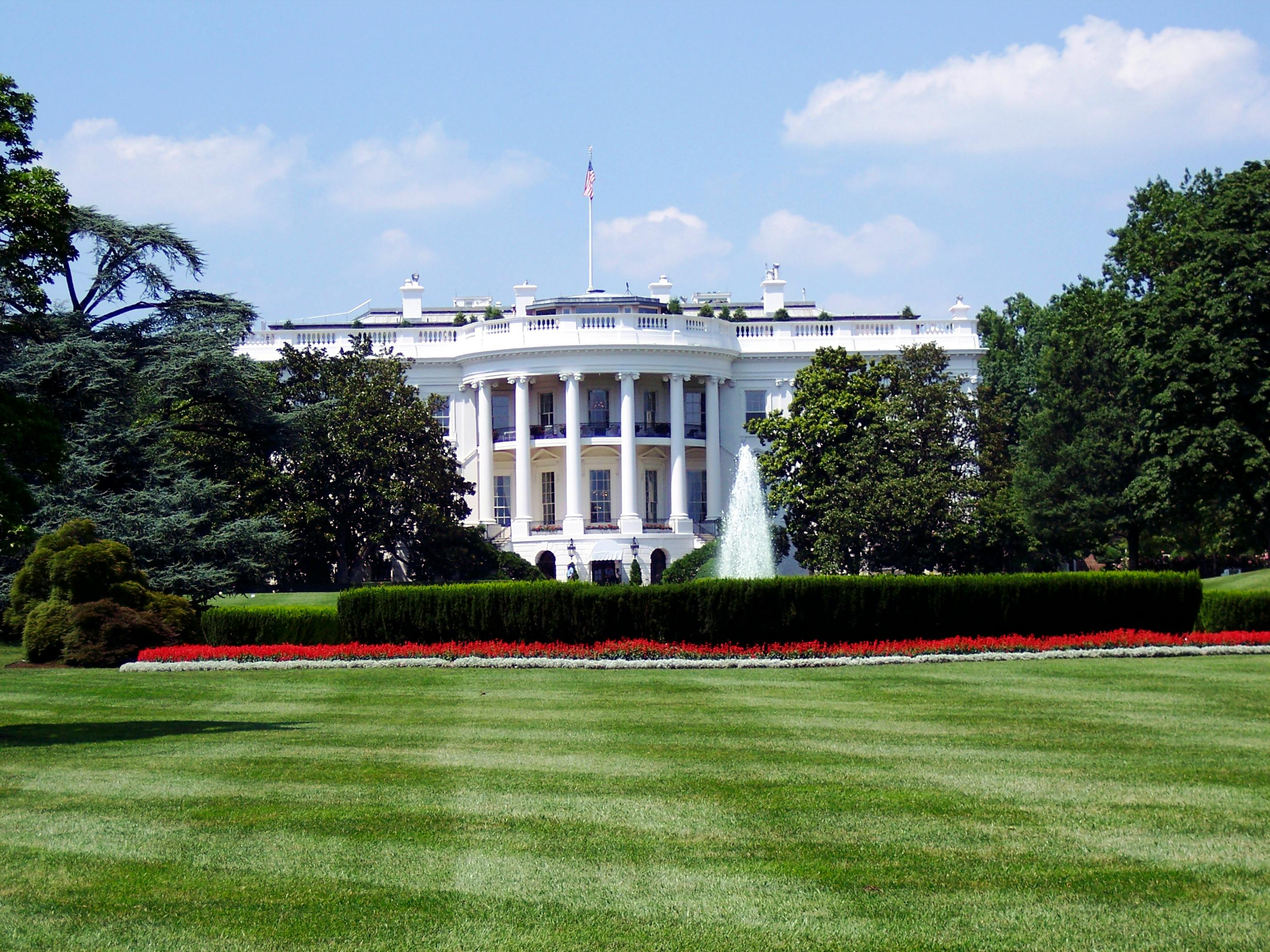
The recent announcement from the United States executive branch regarding the imposition of a 50 per cent tariff on a broad spectrum of Canadian exports has sent shockwaves through the North American economic landscape. While the suddenness of the proclamation on July 20, 2026, caught many market analysts off guard, a deeper examination of the current geopolitical climate suggests that this move is the culmination of long-standing protectionist sentiments and strategic repositioning. This drastic shift in trade policy represents a significant departure from the diplomatic tone established during earlier bilateral discussions, most notably the high-profile meeting between U.S. President Donald Trump and Canadian Prime Minister Mark Carney at the White House in October 2025.
The implementation of such a substantial tariff wall signals a fundamental pivot in the "America First" economic framework. By targeting one of its largest and most integrated trading partners, the U.S. administration is effectively challenging the established norms of the United States-Mexico-Canada Agreement (USMCA). The rationale behind this aggressive escalation appears to be rooted in a desire to force a rapid re-evaluation of cross-border supply chains. From the American perspective, the 50 per cent levy is positioned as a corrective measure intended to address perceived trade imbalances and to incentivize the repatriation of manufacturing and resource processing to domestic soil. However, the sheer scale of the tariff suggests a tactic designed for maximum leverage rather than incremental negotiation.
For Canada, the implications are profound and multifaceted. The energy, automotive, and lumber sectors—industries that serve as the backbone of the Canadian economy—are now facing an unprecedented barrier to their primary export market. The integrated nature of the North American supply chain means that these tariffs will not only increase costs for Canadian producers but will also inevitably lead to higher prices for American consumers and manufacturers who rely on Canadian raw materials and intermediate goods. Economists warn that such a high level of protectionism could trigger inflationary pressures within the United States, potentially complicating the domestic economic agenda while simultaneously straining the economic stability of its northern neighbor.
The timing of this announcement is particularly noteworthy when viewed against the backdrop of the diplomatic efforts led by Prime Minister Mark Carney. Since taking office, Carney has emphasized a pragmatist’s approach to bilateral relations, leaning on his extensive background in international finance to navigate the complexities of U.S. trade demands. The October 2025 meeting was initially characterized as a constructive dialogue aimed at fostering stability. However, the recent shift toward punitive tariffs indicates that the U.S. administration may view the current Canadian economic strategy as insufficient in meeting American demands for trade reciprocity. This development places the Carney administration in a difficult position, requiring a delicate balance between retaliatory measures and the pursuit of a negotiated settlement.
Furthermore, the move is reflective of a broader global trend toward economic nationalism. By utilizing trade barriers as a primary tool of foreign policy, the U.S. administration is asserting its dominance in a way that bypasses traditional multilateral dispute resolution mechanisms. This approach forces trade partners into a binary choice: comply with new, often unilateral, terms or face significant economic exclusion. The 50 per cent tariff serves as a stark reminder that historical alliances and geographic proximity do not provide immunity from the volatile shifts in modern trade strategy. For international observers, this serves as a case study in how quickly established trade architectures can be disrupted by executive action.
As the Canadian government prepares its response, the focus will likely turn to identifying strategic vulnerabilities where it can exert its own leverage. Canada’s role as a primary supplier of critical minerals and energy remains its strongest card in any potential renegotiation. However, the immediate challenge lies in stabilizing the domestic markets and providing support to industries that are now effectively priced out of the U.S. market. The coming months will likely see a flurry of diplomatic activity as both nations grapple with the reality of a transformed trade relationship. Whether this move leads to a permanent fracturing of the North American trade bloc or serves as a precursor to a new, more restrictive agreement remains to be seen.
Ultimately, the July 2026 tariff announcement marks the beginning of a high-stakes era in North American diplomacy. The professional and measured relationship once envisioned during the early meetings between President Trump and Prime Minister Carney has been replaced by a period of intense economic friction. As businesses on both sides of the border adjust to this new reality, the resilience of the bilateral partnership will be tested to its limits. The drivers behind this tactic—economic sovereignty, supply chain security, and political signaling—suggest that the road ahead will be defined by rigorous negotiation and a fundamental reassessment of what it means to be a "partner" in the current global economy.




0 reacties:
Post a Comment